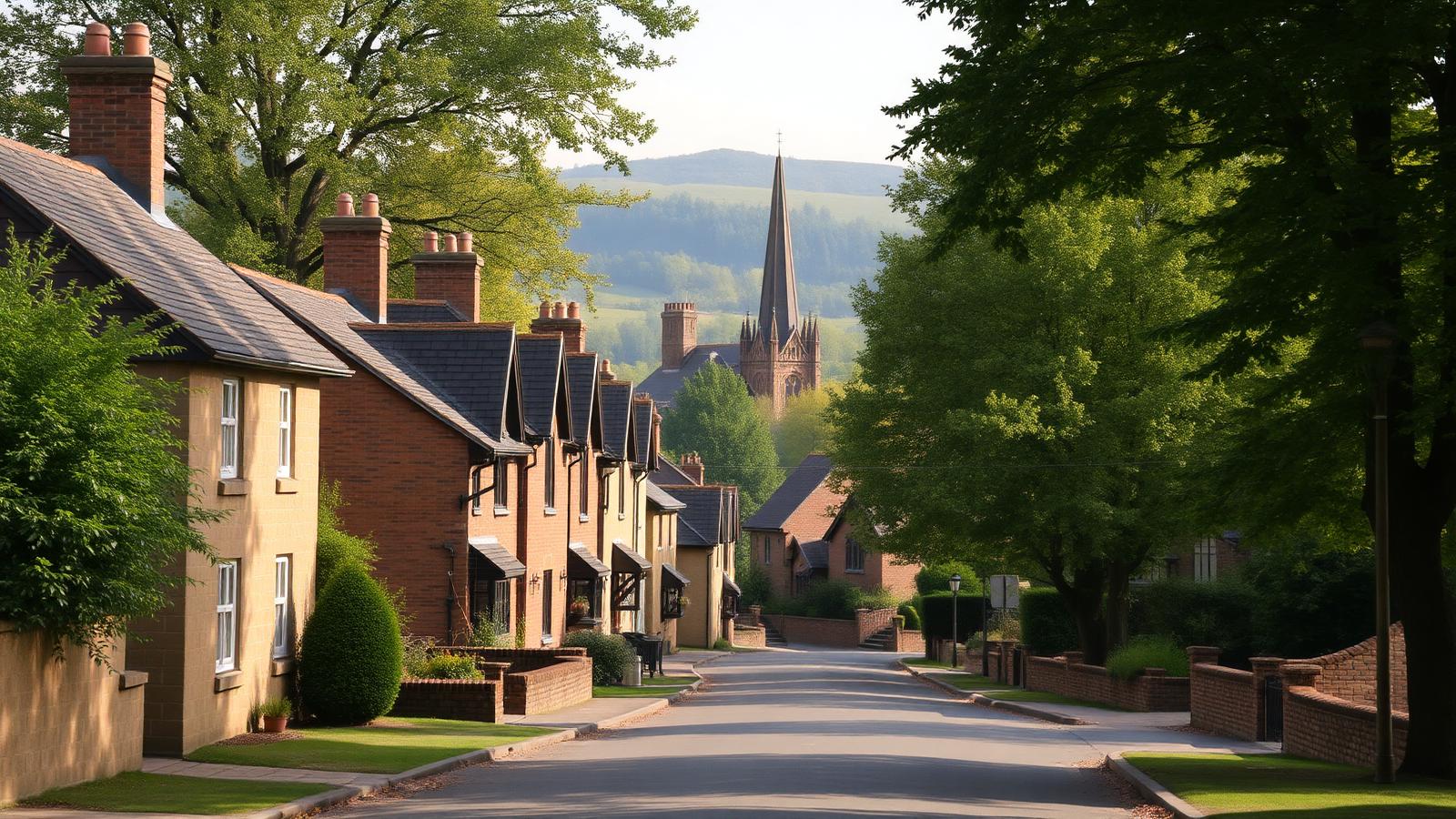
Duffield is one of the closest villages to our DE22 base, straight up the A6 through Allestree. For clients here that proximity is practical rather than sentimental: surveys are easy to arrange, first fix days start on time rather than after a long commute, and a commissioning adjustment three weeks after handover is a short call-out rather than a scheduling negotiation.
The village also happens to hold the type of property our work suits best. Large detached houses on generous plots, Georgian and Victorian stone properties near the conservation area, and modern executive homes off Makeney Road and Tamworth Street all tend to need whole-system thinking rather than a single point fix.
Duffield's housing splits roughly three ways. There is protected older stock around the village core and Church Drive, where the building fabric dictates what you can and cannot do with cable routes. There are substantial post-war and later detached homes on large plots, often with outbuildings, garden offices, gates and long driveways that all want power, lighting, network and camera coverage. And there are newer executive developments where the electrical installation is sound but the automation was either omitted or fitted as a cheap builder's package.
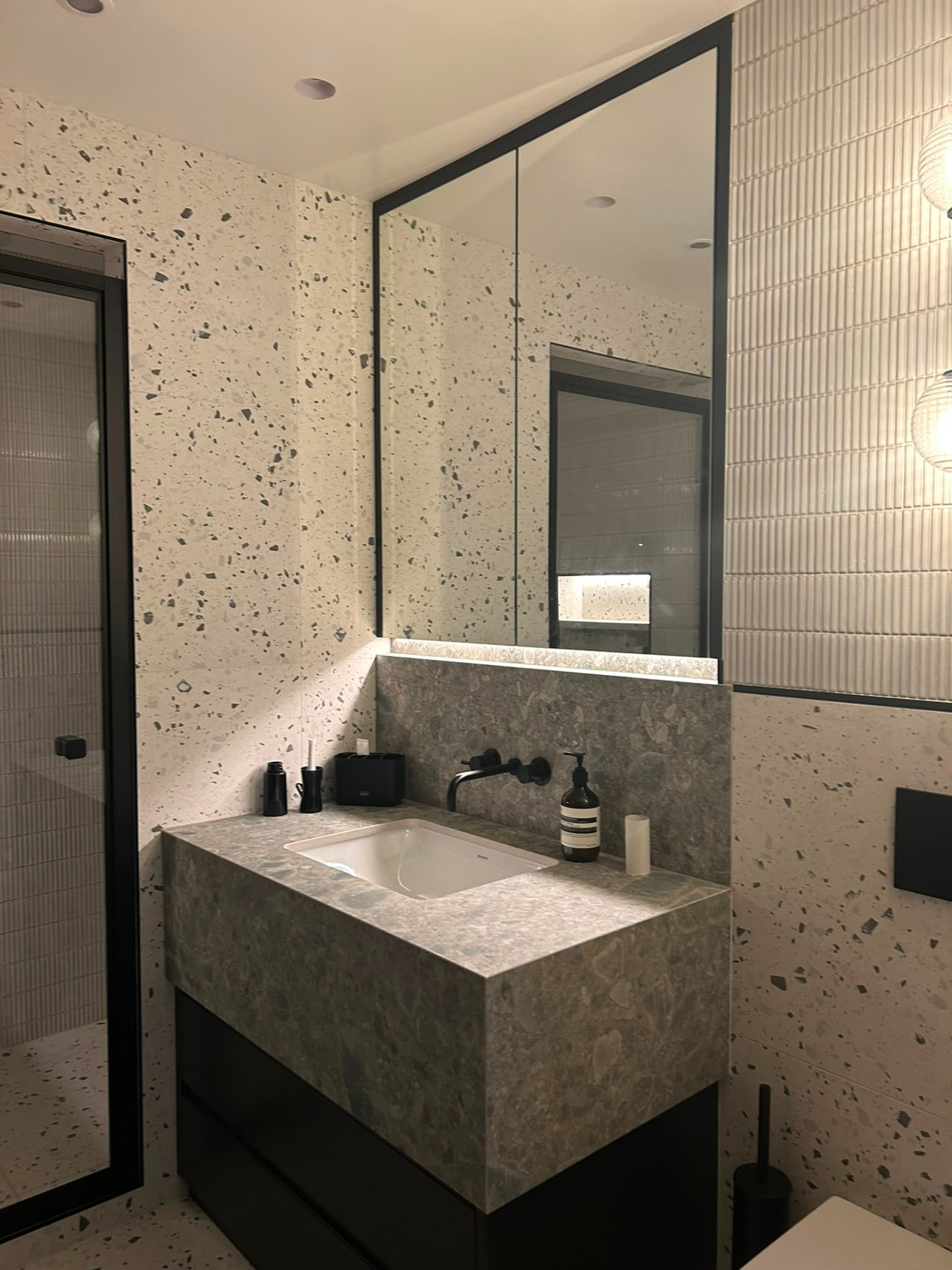
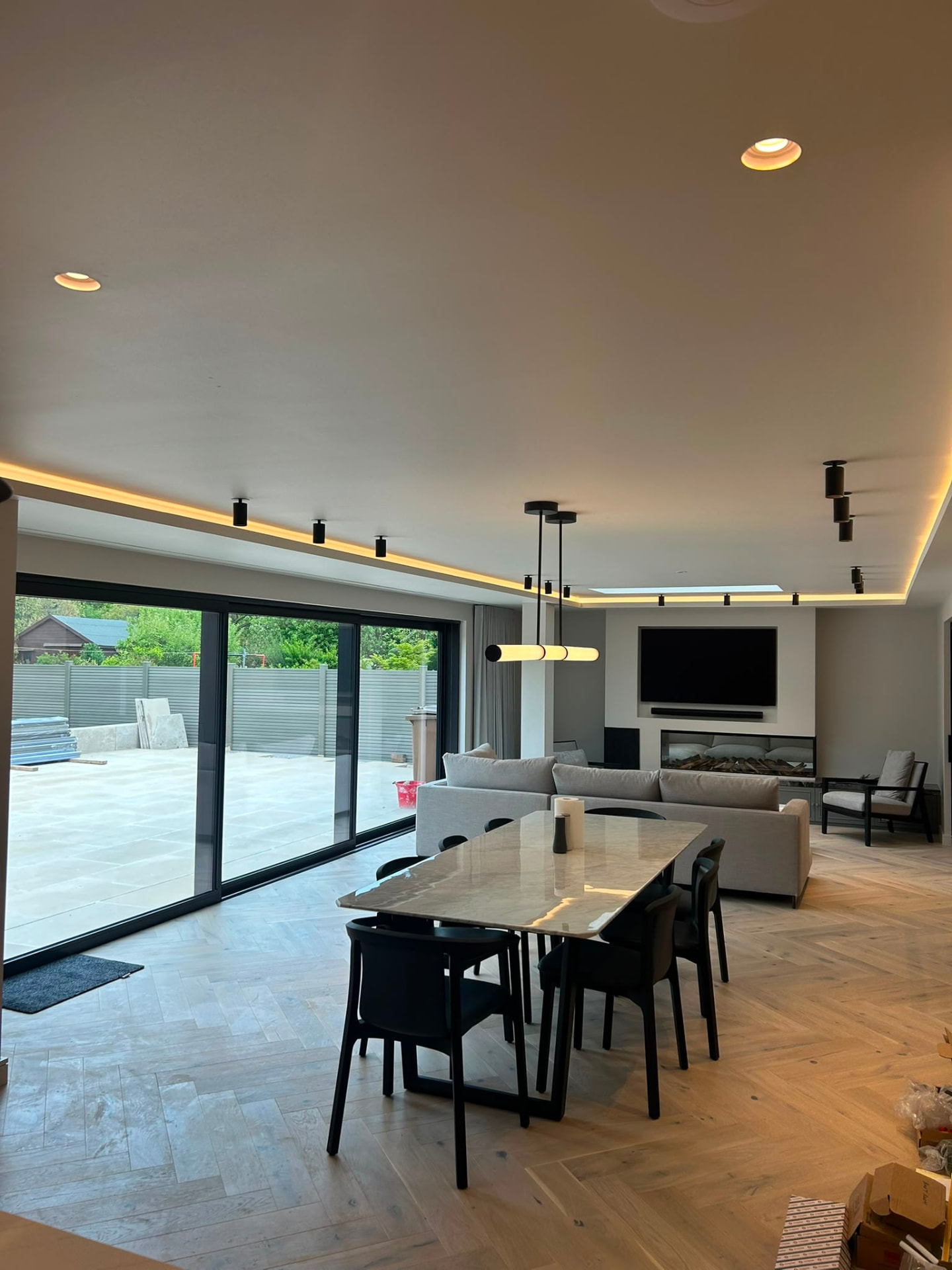
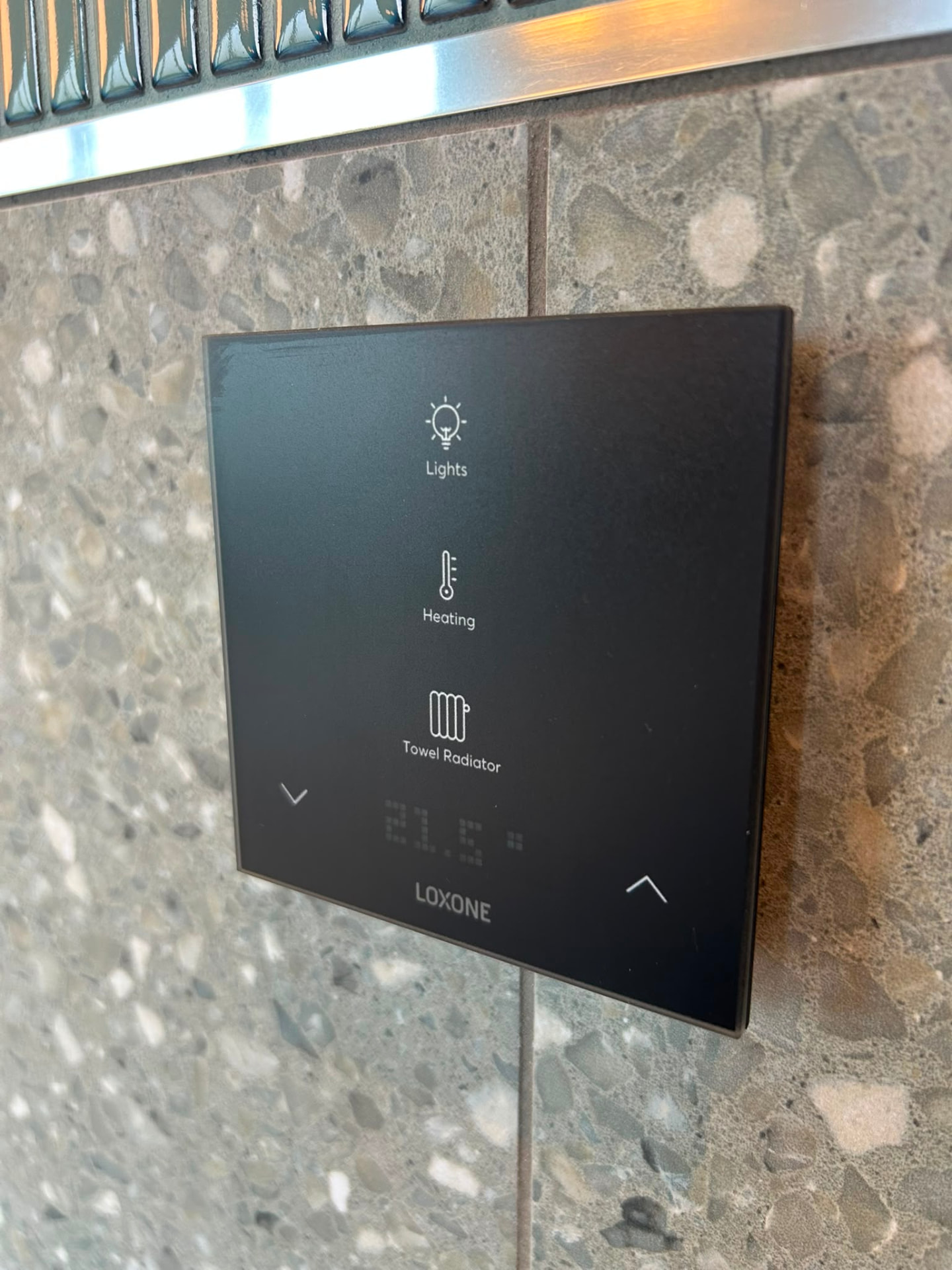
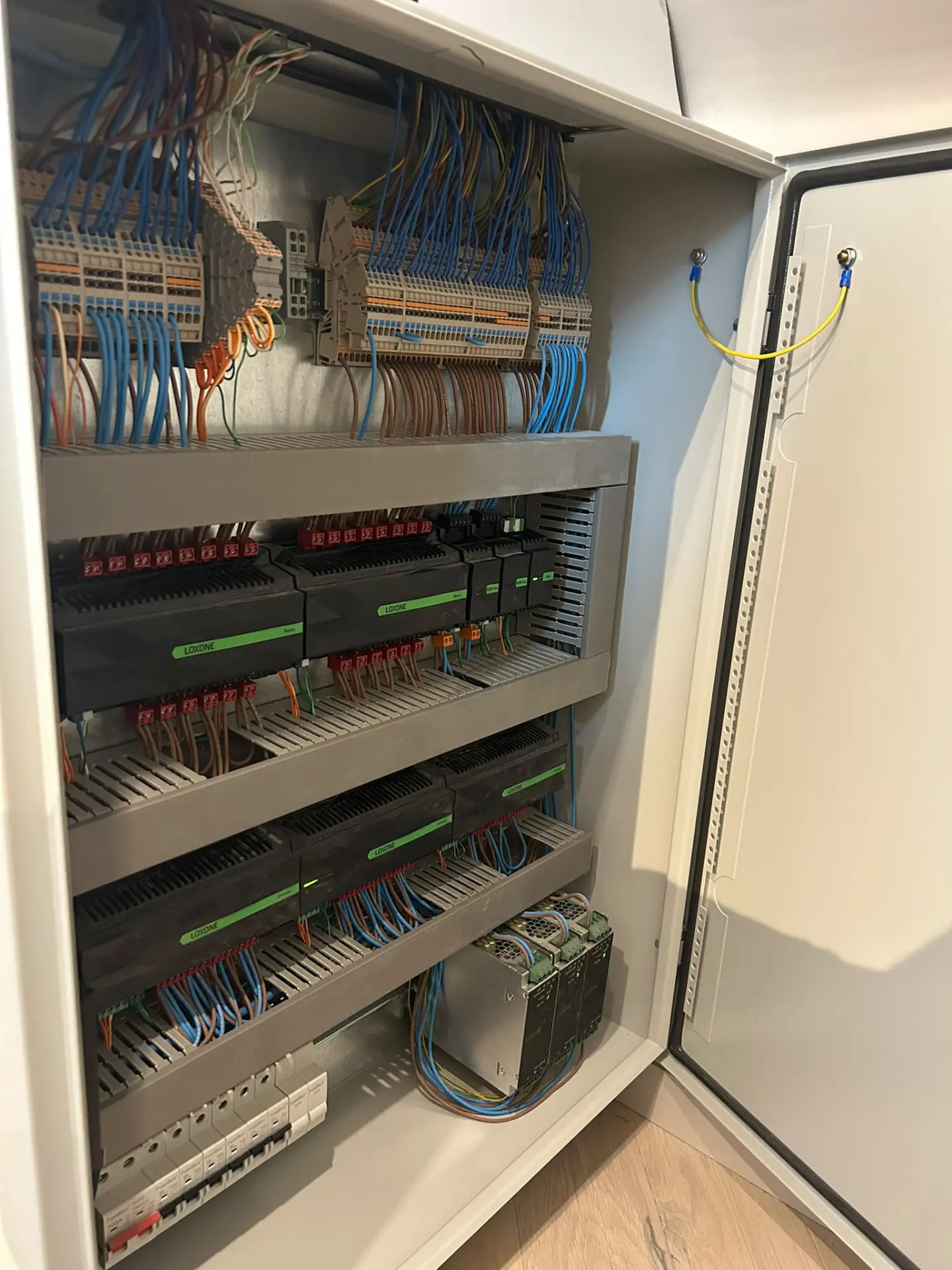
That third group is a big part of our Duffield work. A house handed over with a basic wireless thermostat and a doorbell camera is not a smart home; it is four apps that do not speak to each other. Replacing that with a single Loxone system — heating zones, lighting scenes, blinds, audio, cameras and gates on one interface — is a defined project with a clear end point.
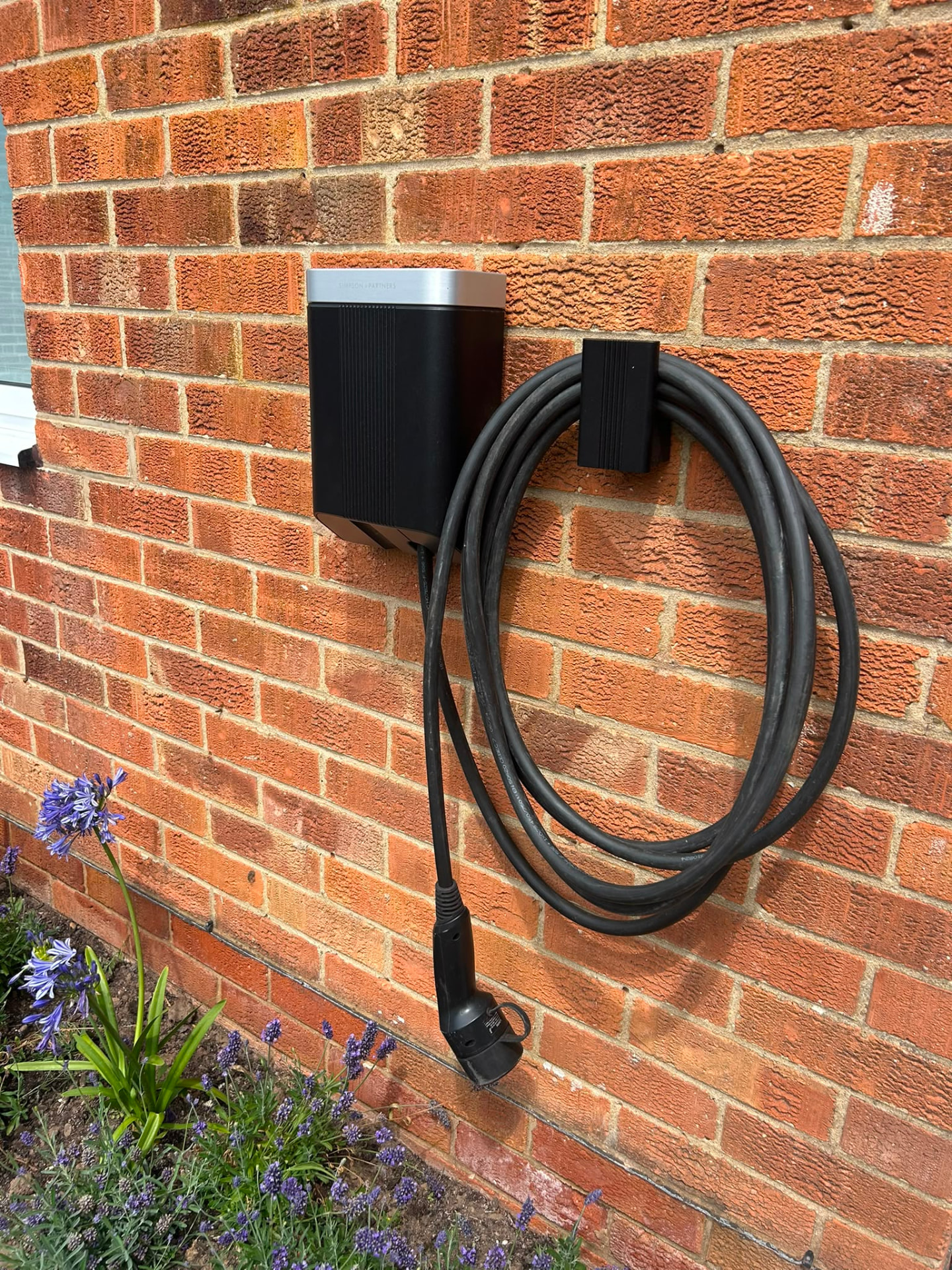
Plot size drives the rest. Duffield gardens are often long, sloped and treed, which means exterior lighting, garden power, EV charging on a detached garage and network coverage to an outbuilding come up repeatedly. Those runs need proper armoured cable, correct RCD protection and a design that anticipates the next thing you will want out there in three years.